Tuesday 27.10.2026
Tuesday 27.10.2026
DEFENSE - 12/02/2023. Author: Prodromos Peios
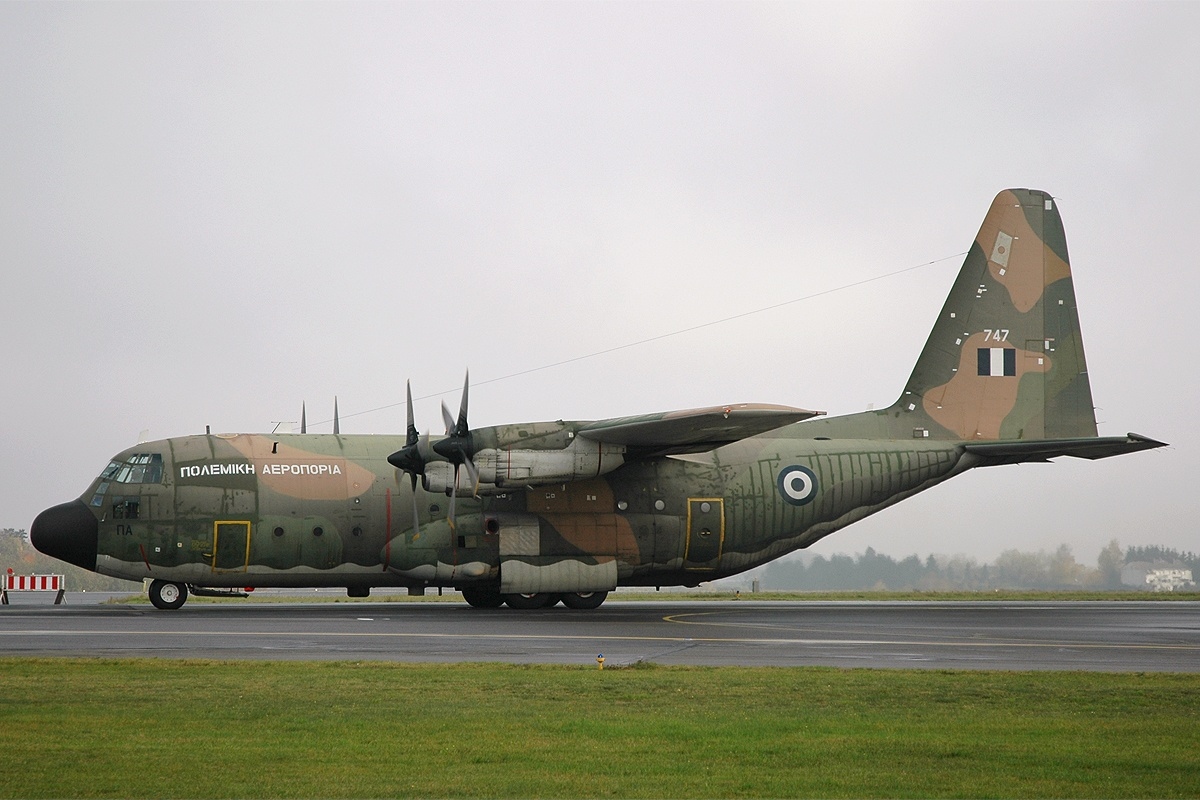
The recent crisis in Turkey following the earthquake revealed the weaknesses of the state apparatus, as well as of the Armed Forces, in drafting a structured long-term operational plan. A few days ago, the 2nd EMAK (Special Disaster Response Unit) was called to be deployed to Gaziantep, Turkey, which had been struck by the earthquake. The reasons why we sent these forces are clear to everyone: Greece is not Afghanistan; it seeks to support its neighbors whenever they are in need. However, while the 2nd EMAK was en route to Turkey, it was discovered that the HAF (Hellenic Air Force) C-130 transporting them had suffered a malfunction, forcing them to continue their journey on a C-27J—leaving their heavy equipment behind!
The state of affairs of the last 15 years has led the Air Force to the point where it can no longer fulfill its mission—even to transport rescuers during peacetime. We are witnessing tragic times, which have exposed the serious gap in understanding that exists within the ranks of the Air Force as well as within the Ministry of Defense regarding the Air Force’s operational needs. It is unacceptable that the C-130 fleet remains grounded, that HAI (Hellenic Aerospace Industry) is incapable of effectively repairing even the simplest aircraft, that C-27J maintenance has not progressed at all in the past two years, that the AEW&C fleet is at the limit of its operational lifespan, that Army Aviation helicopter maintenance depends on cannibalizing other helicopters—while at the same time, we are preparing to sign agreements for F-35s!
The Prime Minister’s announcement of the immediate purchase of 4+2 second-hand C-130Js from Italy, as well as the consideration of buying 4+2 new C-130Js from Lockheed Martin, is a positive development and demonstrates his willingness to address the issue. However, the reality is far more complex: HAI is undergoing privatization, mainly because the state of its facilities and workforce has reached a breaking point. It is of vital importance that political leadership does not limit itself to small, pre-election moves, but instead pursues a comprehensive plan to modernize the Armed Forces:
Restructuring HAI and involving domestic private companies in the maintenance and upgrade of Air Force and Army Aviation aircraft.
Standardization of the Air Force’s transport aircraft fleet to improve availability rates.
Exploring the possibility of exchanging the C-27Js for C-130s—or alternatively selling the C-27Js to acquire second-hand C-130s.
Immediate signing of a memorandum of cooperation between HAI and private companies for the maintenance of existing assets.
Reduction of the budget for the Ministry of Climate Crisis and Civil Protection in favor of maintaining the Air Force’s aircraft.
The events of recent days have highlighted just how crucial Tactical Airlift is—not only for military operations but also for managing natural disasters, delivering humanitarian aid, and maintaining communication between ground forces. If, for example, the Air Force had to transport troops to Cyprus or to an island in the Aegean under the conditions we have just witnessed, it is very likely that the C-130 fleet would have been grounded—leaving units such as the 2nd Paratrooper Battalion and ETA (Special Forces) as little more than the equivalent of EKAM (the Greek counter-terrorism unit), with all the consequences that entails.
Array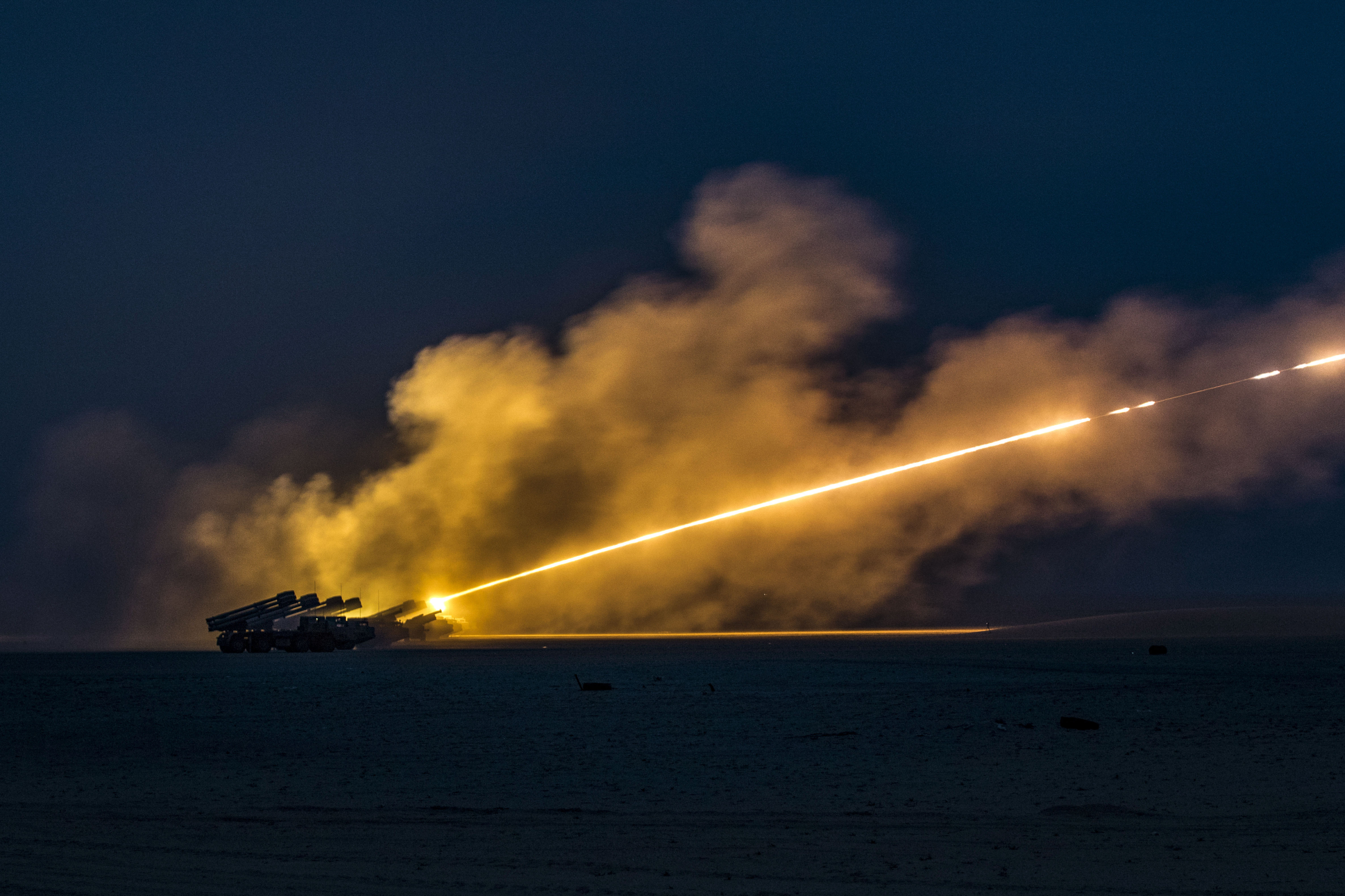
21.01.2023 DEFENSE
1:11 pm
1:20 pm
2:05 pm

5:14 pm